A gallery is never really finished. Not only because exhibitions and accompanying programs are constantly changing, but also because we ourselves are learning. We’re looking for new ways to present art and related topics, and we’re thinking about the role the gallery plays in society and how it can be more open to its visitors. It was precisely the search for answers to these questions that served as the main impetus for developing our international mobility project as part of the Erasmus+ program. Its goal is not only to explore inspiring cultural institutions abroad, but above all to reflect on how to apply the experiences gained in Litomyšl.
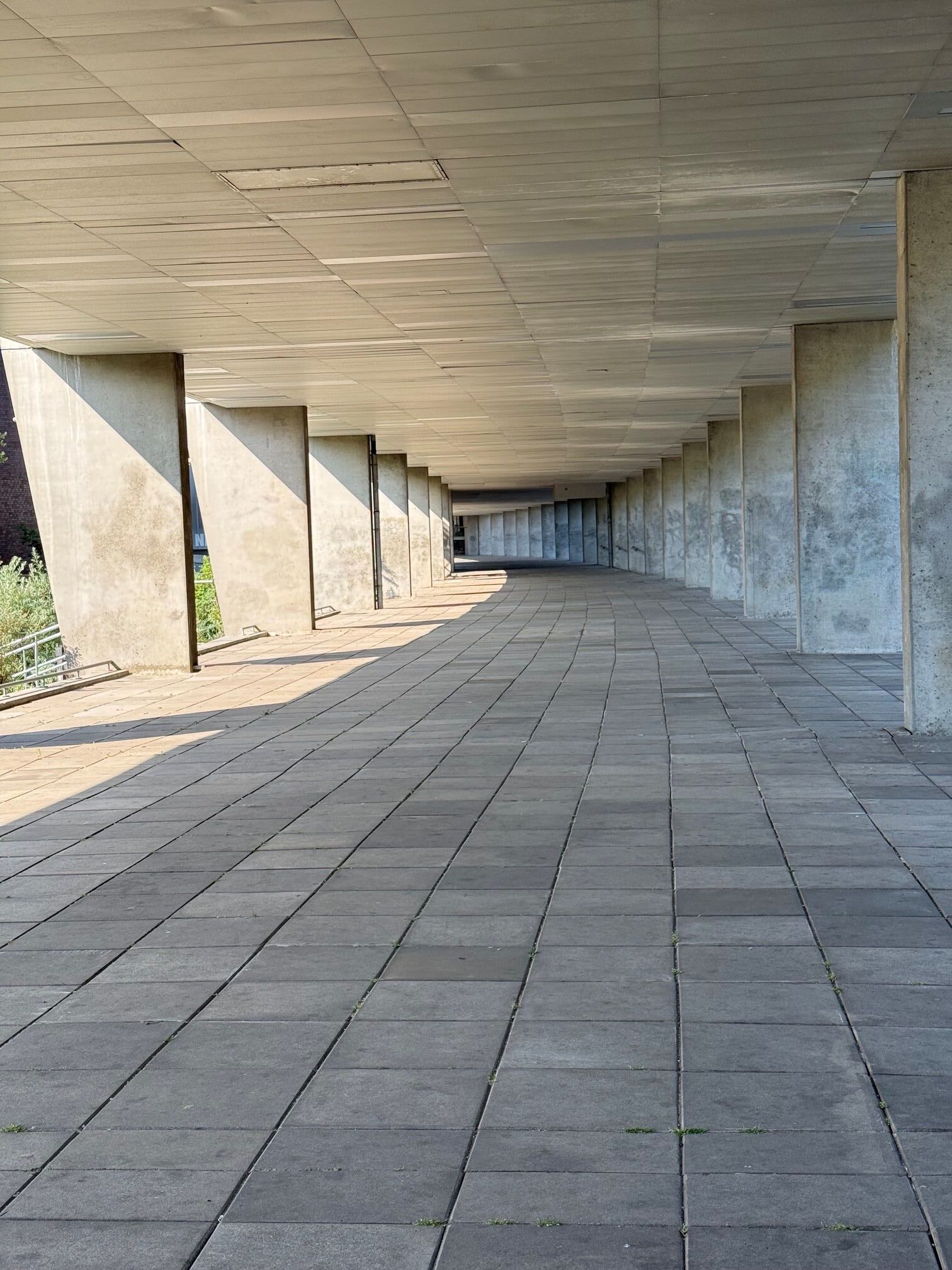
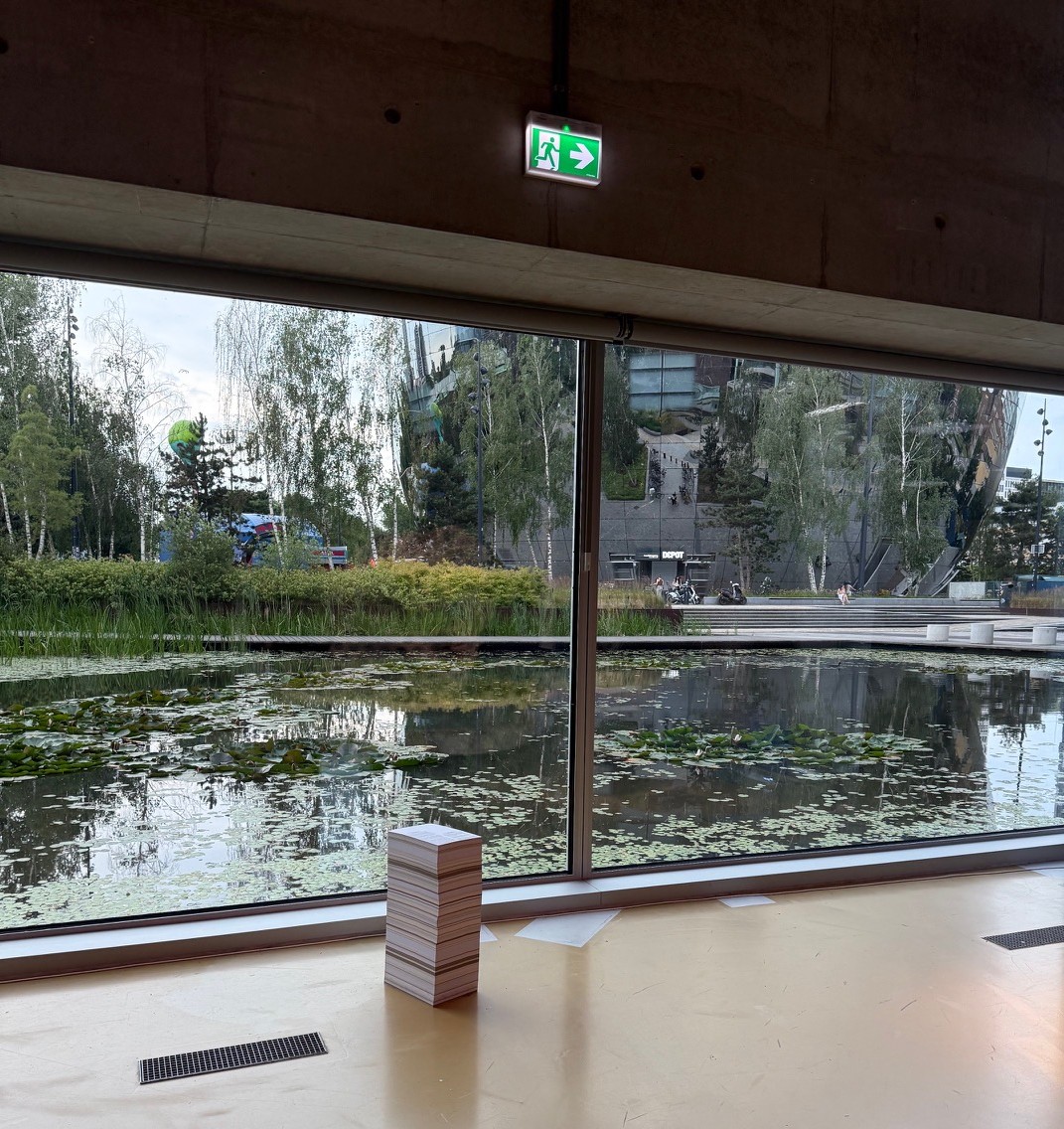
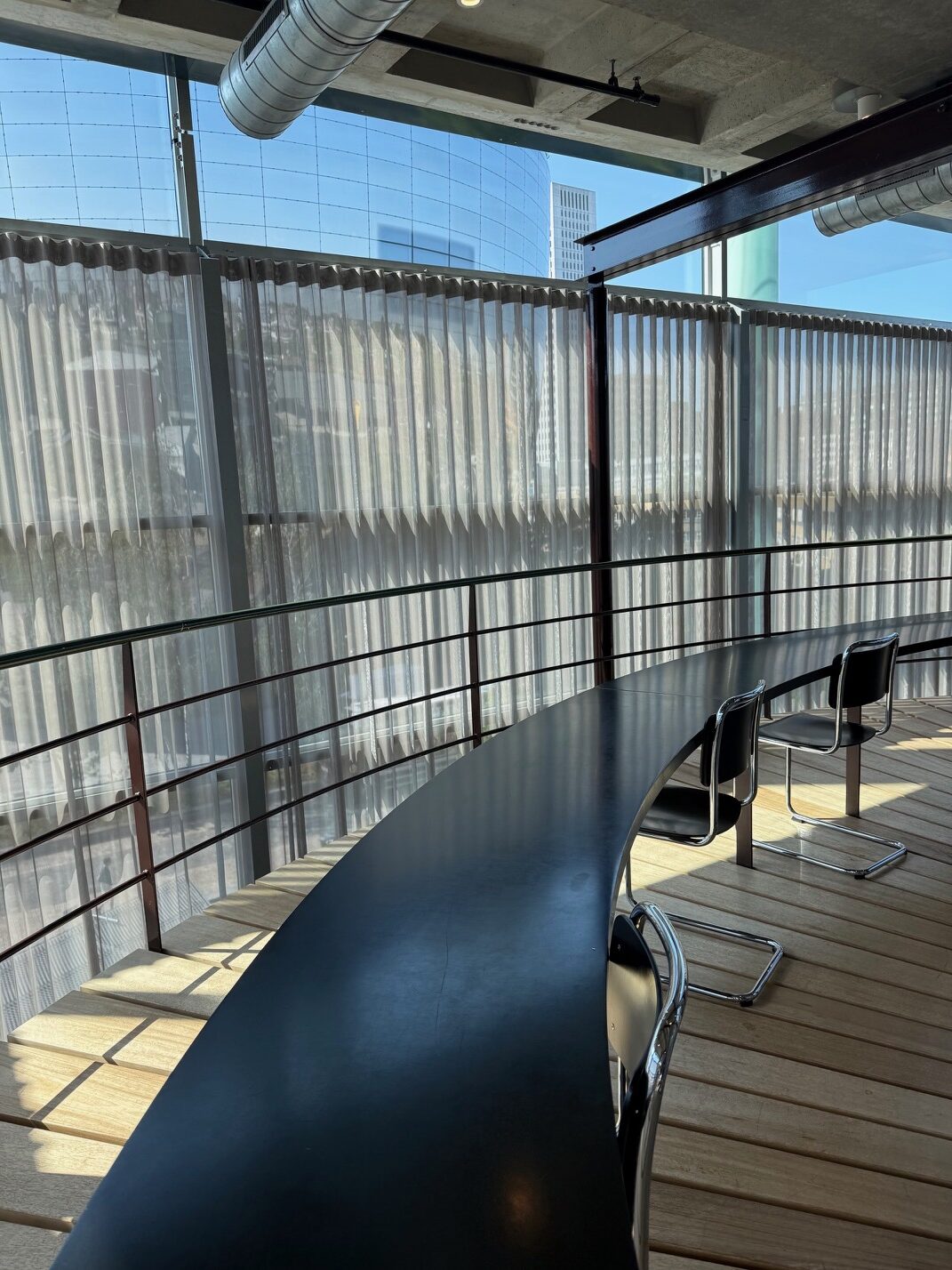
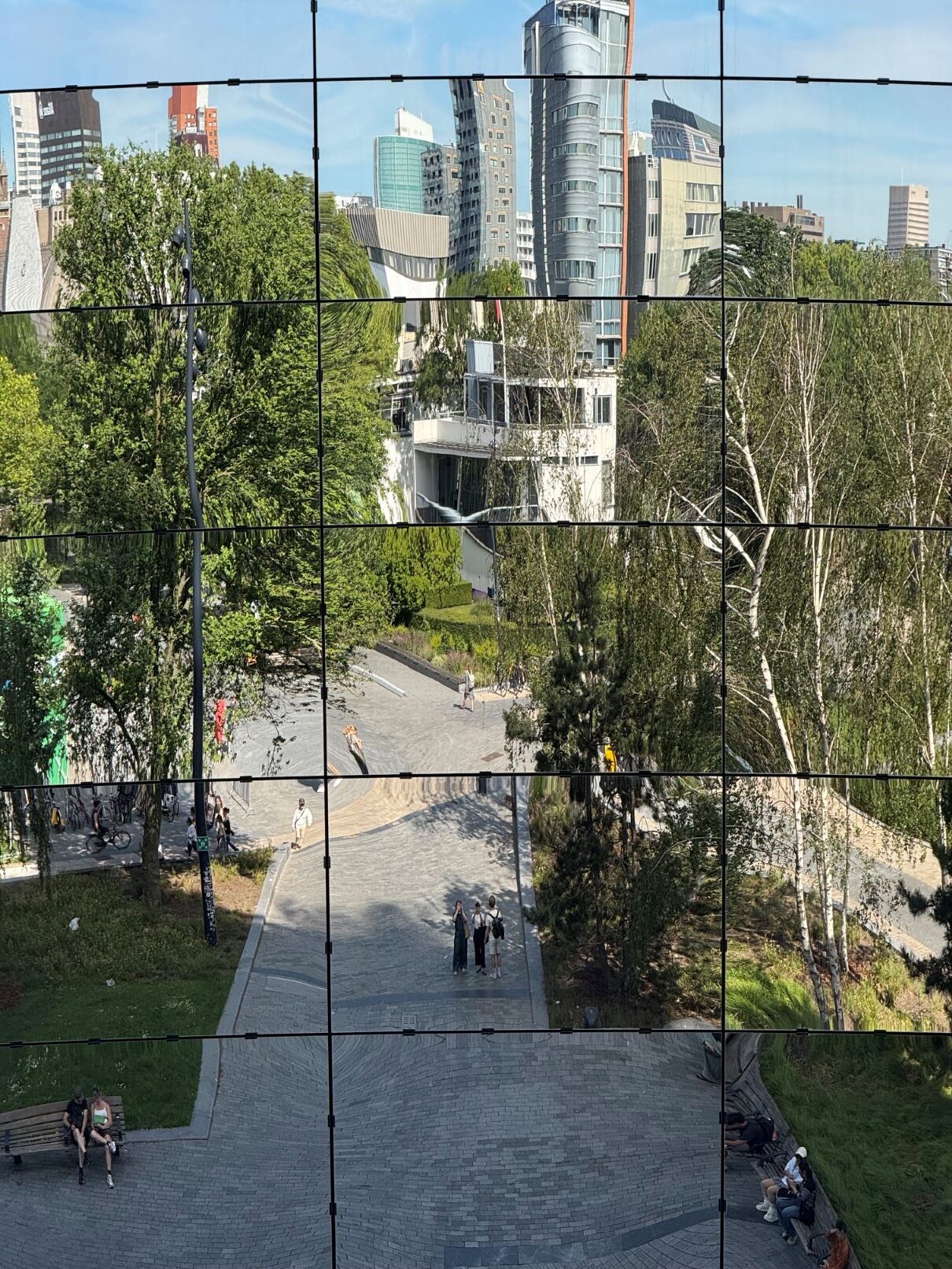
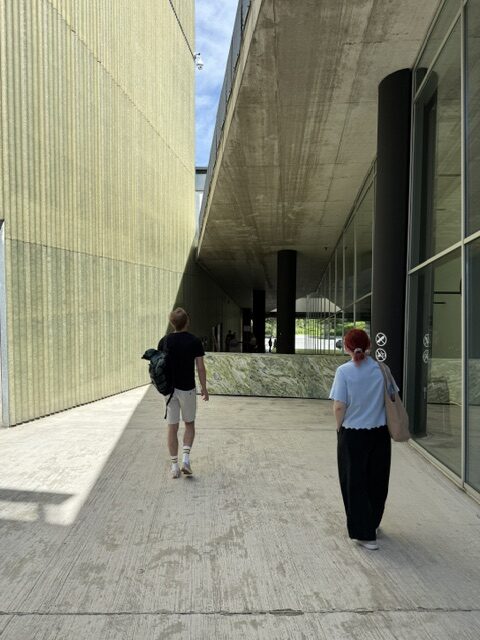
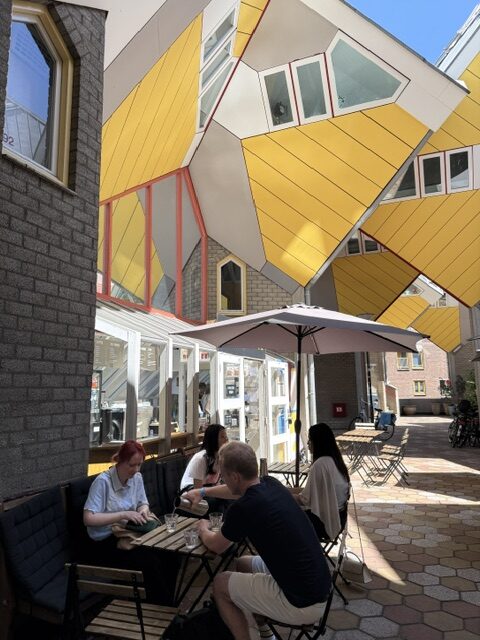
Our second trip took us to Rotterdam, the Netherlands, to the Nieuwe Instituut, one of Europe’s leading centers focused on architecture, design, research, curation, and public engagement. Our goal was not only to learn how it operates, but above all to observe how it approaches its work and what insights from these experiences might inspire the future of Litomyšl City Galleries.
The Exhibition as an Open Process
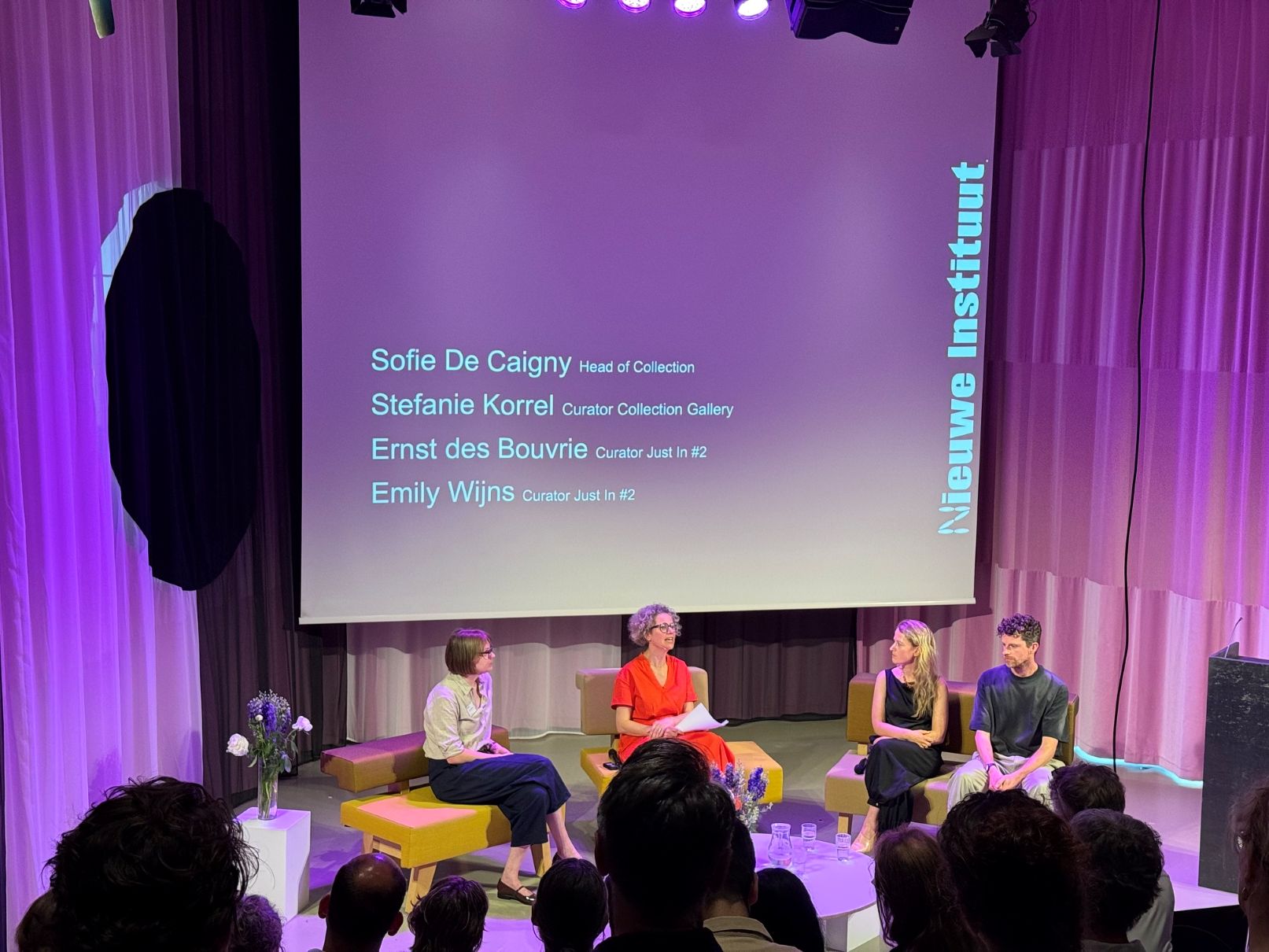
One of the first highlights was attending the opening of the exhibition The Collection Gallery. However, it wasn’t just the exhibition itself that caught our attention, but above all the way it was presented. Instead of traditional opening remarks, there was an almost hour-long discussion with the team that helped organize it. The curators and other experts presented not only the final form of the project but also the journey that led to it—the research, doubts, decision-making, and search for the most suitable solutions. This “behind-the-scenes” look was incredibly inspiring for us. It reminded us that an exhibition isn’t just the final result, but a living process full of questions, the search for answers, and collaboration.
One Object, Many Perspectives
We also found the program Detour program—a unique format of guided tours led not by the institution’s experts, but by people from various creative fields. Artists, performers, theater professionals, and writers bring their own distinctive perspectives and experiences to these tours. A tour is not about searching for a single “correct” interpretation. On the contrary—its value lies in the diversity of perspectives and shared dialogue. This approach has led us to consider how to apply similar principles at the Litomyšl City Gallery. How can we involve more voices from the local community and offer visitors new ways of engaging with art that aren’t based solely on a single expert interpretation?
The Archive as a Living Source of Stories
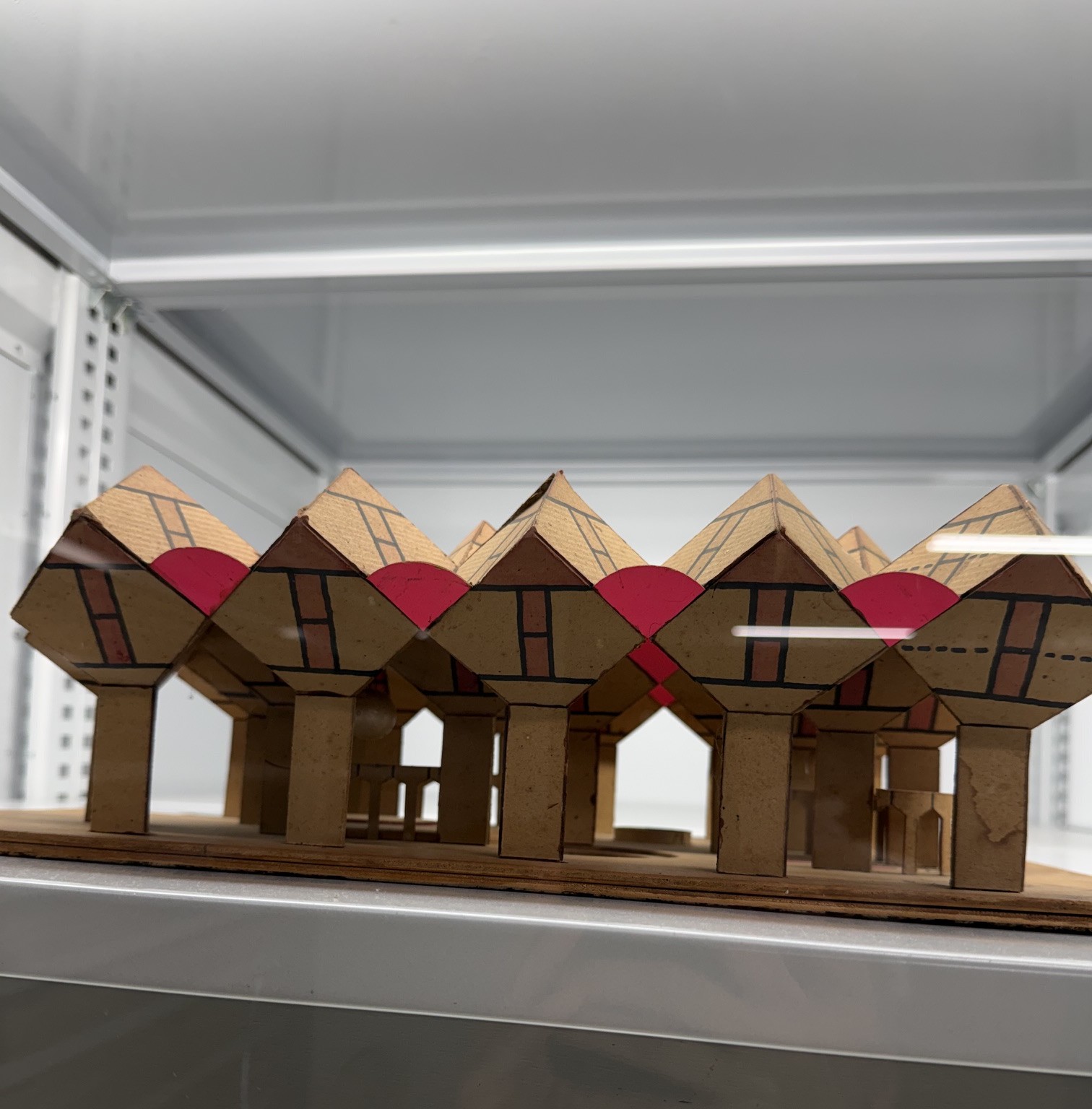
Our visit to the Nieuwe Instituut archive was also a great source of inspiration for us. It houses an extensive collection of materials related to Dutch architecture—ranging from plans and models to digital archives of architectural firms. What interested us most, however, was not the sheer volume of materials stored there, but rather the way the institution works with them. Here, the archive is not a closed-off space where documents simply wait for researchers. It serves as an active source for exhibitions, research, educational programs, and new stories. It reminded us that collections and archives, too, can be living spaces that connect the past with the present and open up new possibilities for engaging with the public.
Inspiration for a Future Gallery
Our trip to Rotterdam met all our expectations. The most valuable inspiration for us wasn’t individual projects or programs, but the way of thinking we encountered at the Nieuwe Instituut—openness, the interconnection of different disciplines, the search for new forms of communication with visitors, and the courage to explore new paths.
We strive to adapt every source of inspiration we bring back from abroad to the context of Litomyšl. We aren’t looking for ready-made solutions, nor do we want to copy large foreign institutions. We’re seeking our own path—one that will reflect the character of our town, our gallery, and the people who visit it. Our goal is for the new Dům U Rytířů to become a place that is not only a space for presenting art, but also a place for gathering, dialogue, education, and discovery.
Because a gallery is never finished. Just like the people who create it.