Who is the gallery actually for? Is it for people who are well-versed in contemporary art, or for those visiting a gallery for the first time? Is it for children, seniors, or visitors with disabilities? And can it also be a place where the experiences and stories of people whose voices aren’t always heard loud enough in society are given a platform?
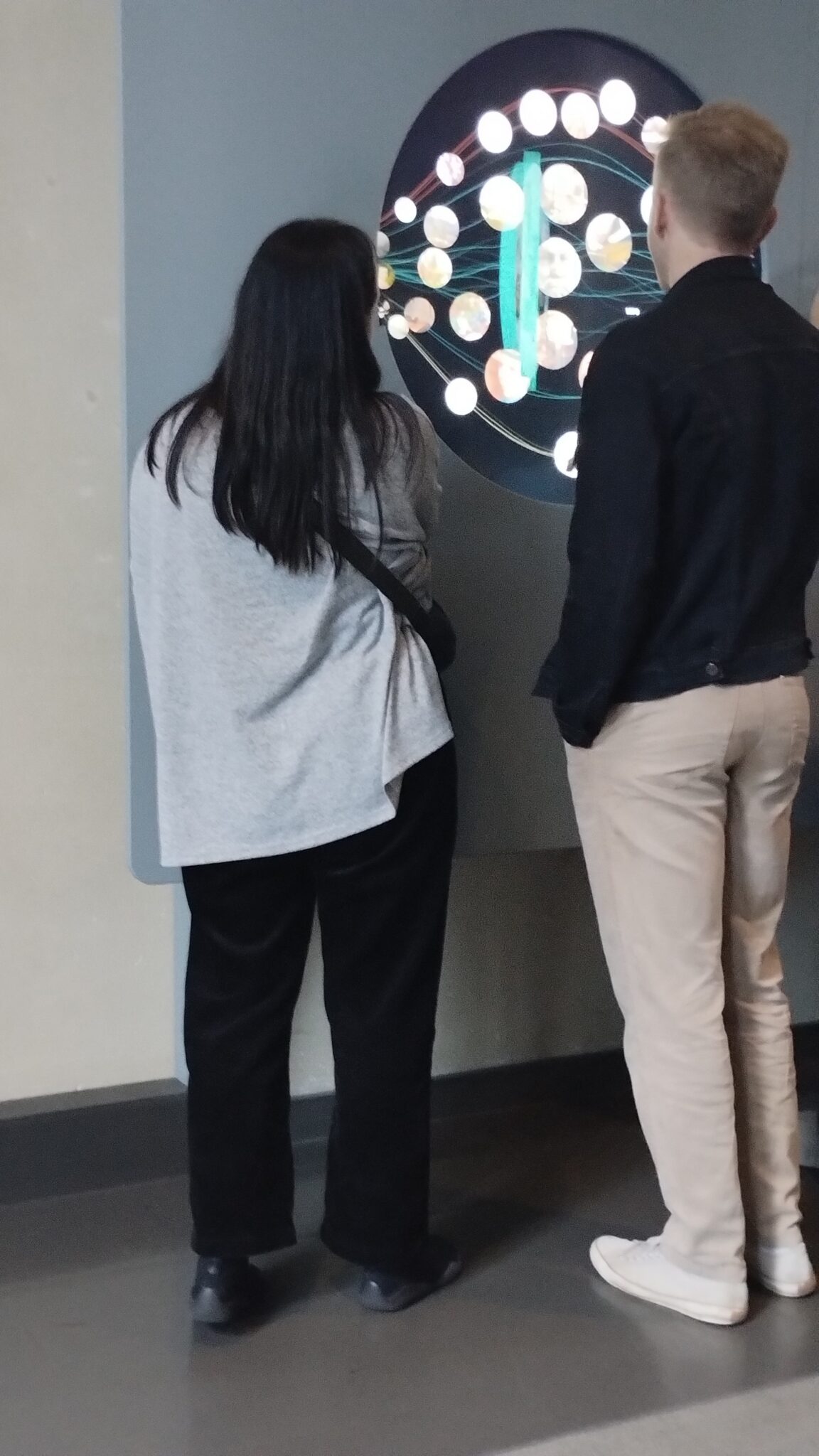
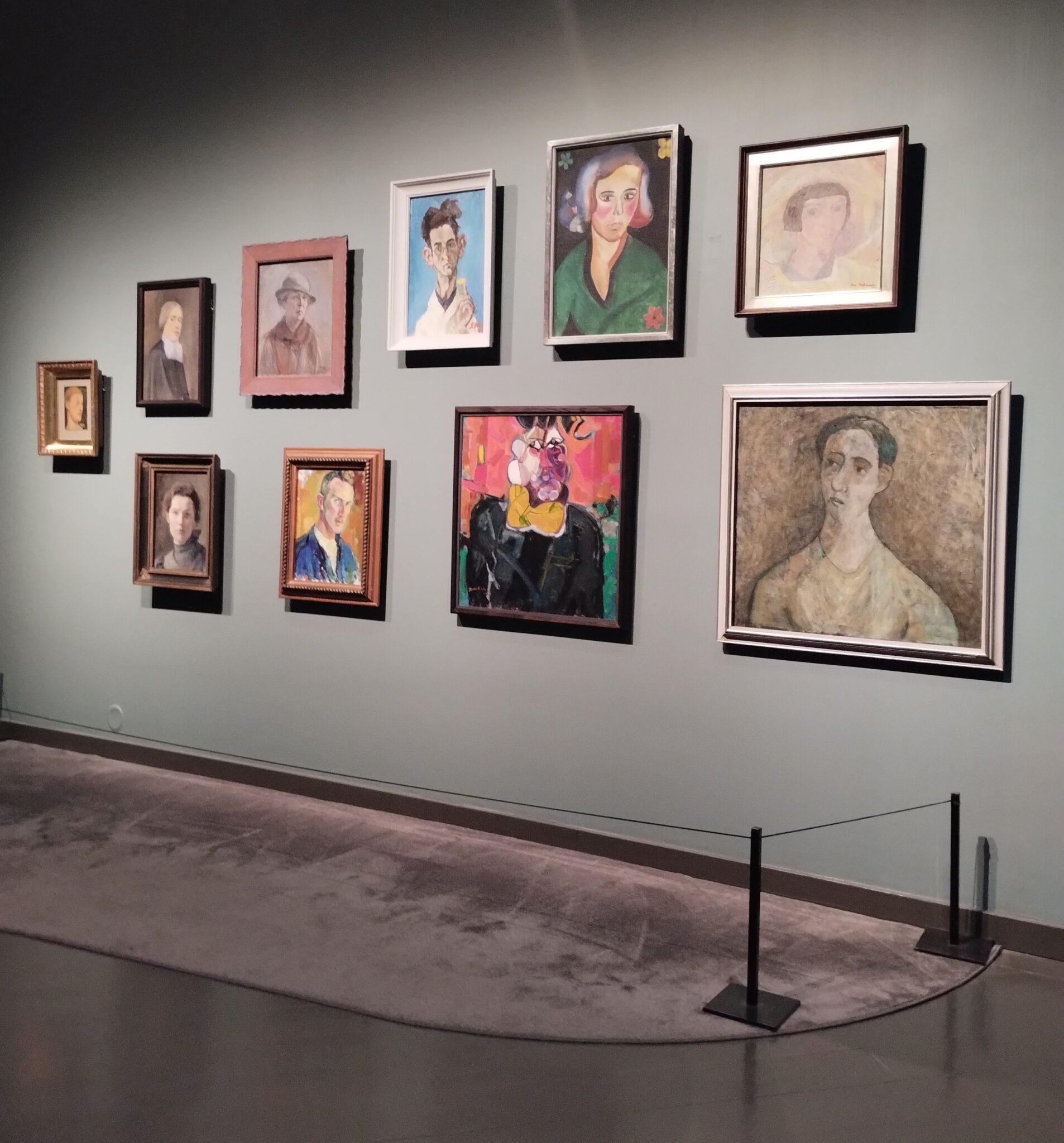
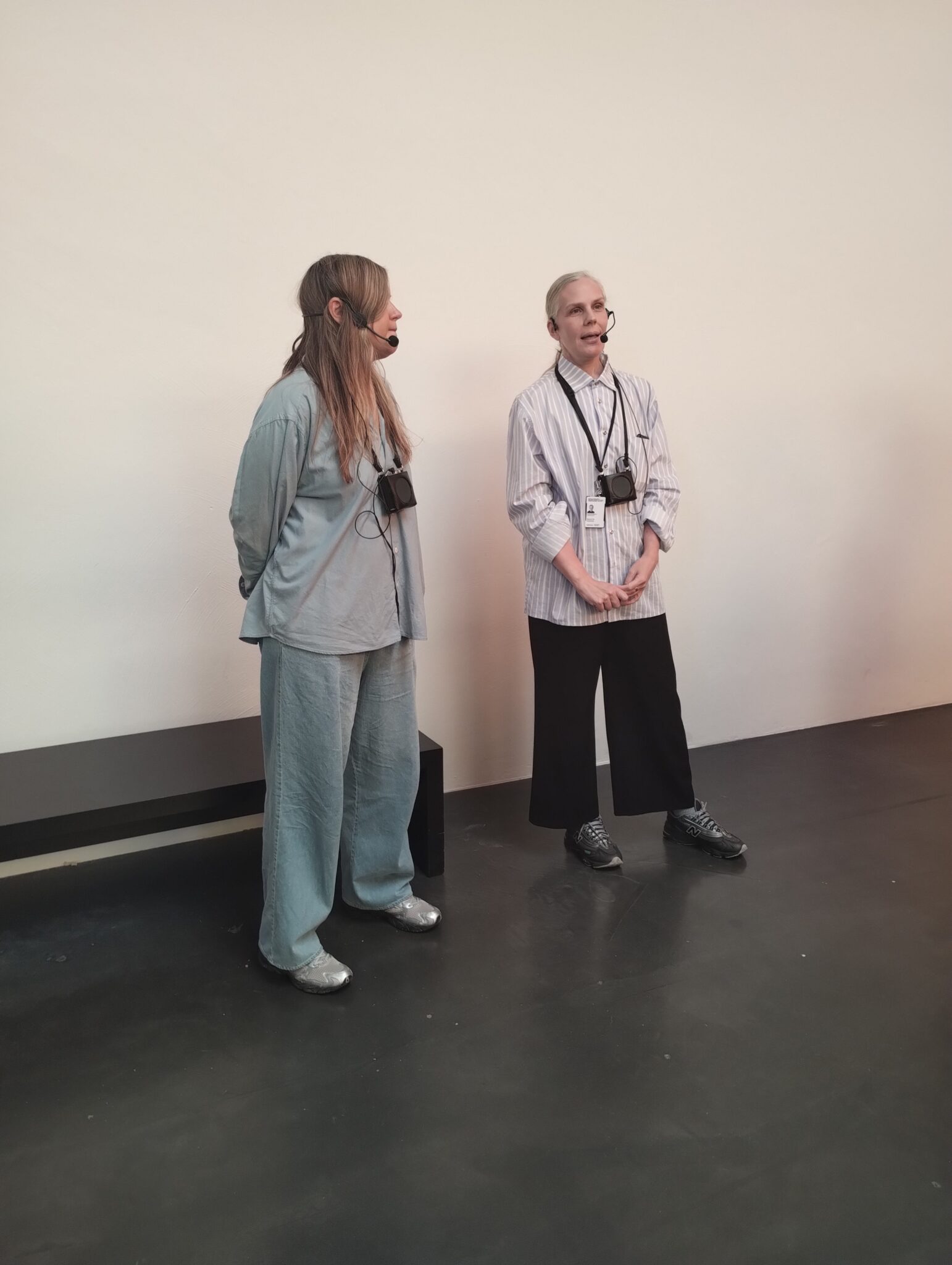
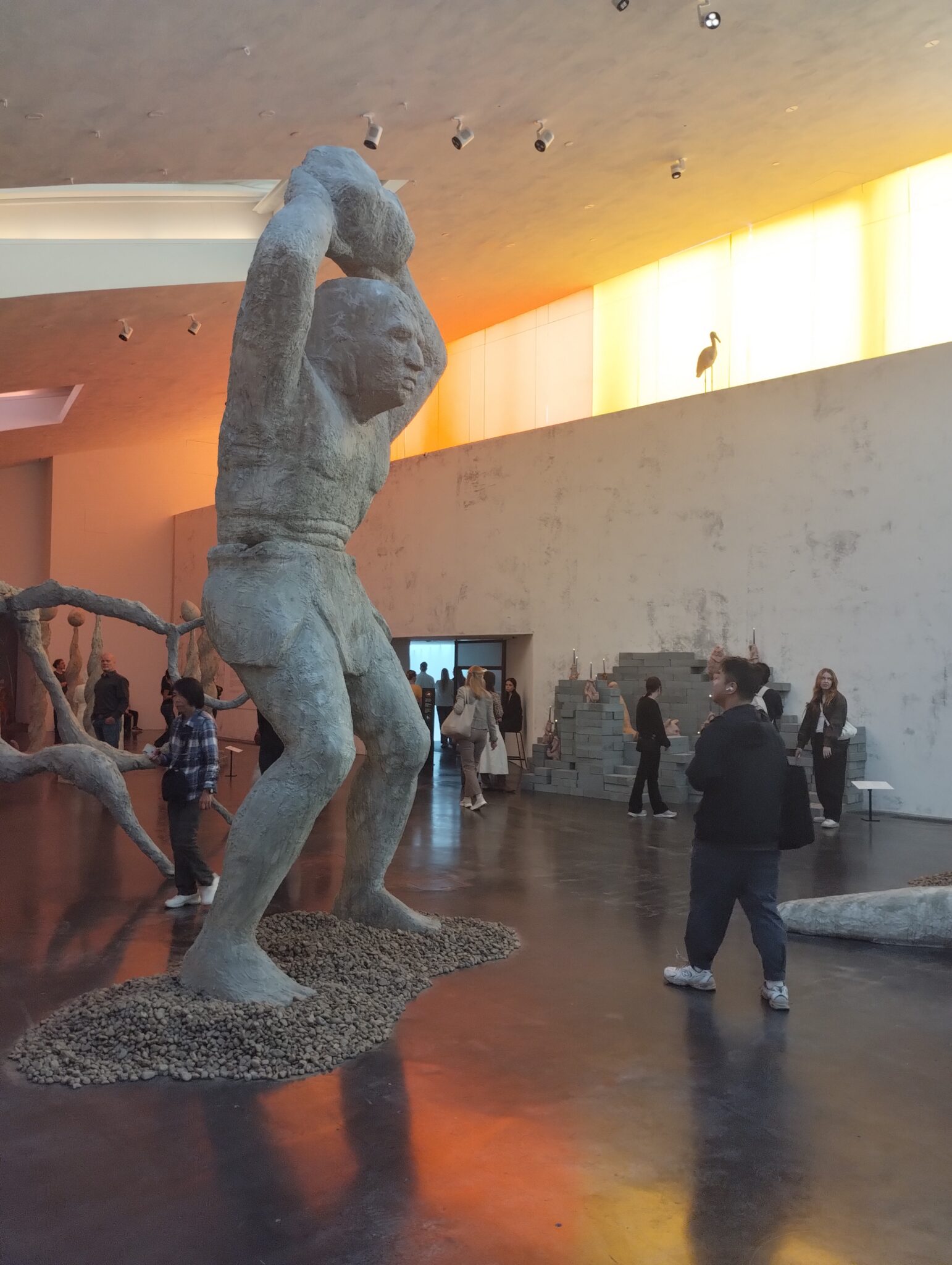
These were precisely the kinds of questions we kept returning to during our September mobility program in Helsinki. As part of the Erasmus+ program , we headed to Kiasma, a Finnish museum of contemporary art, where we learned about the work of the curators and the education team, as well as various ways of communicating with visitors.
When a visitor is more than just a listener
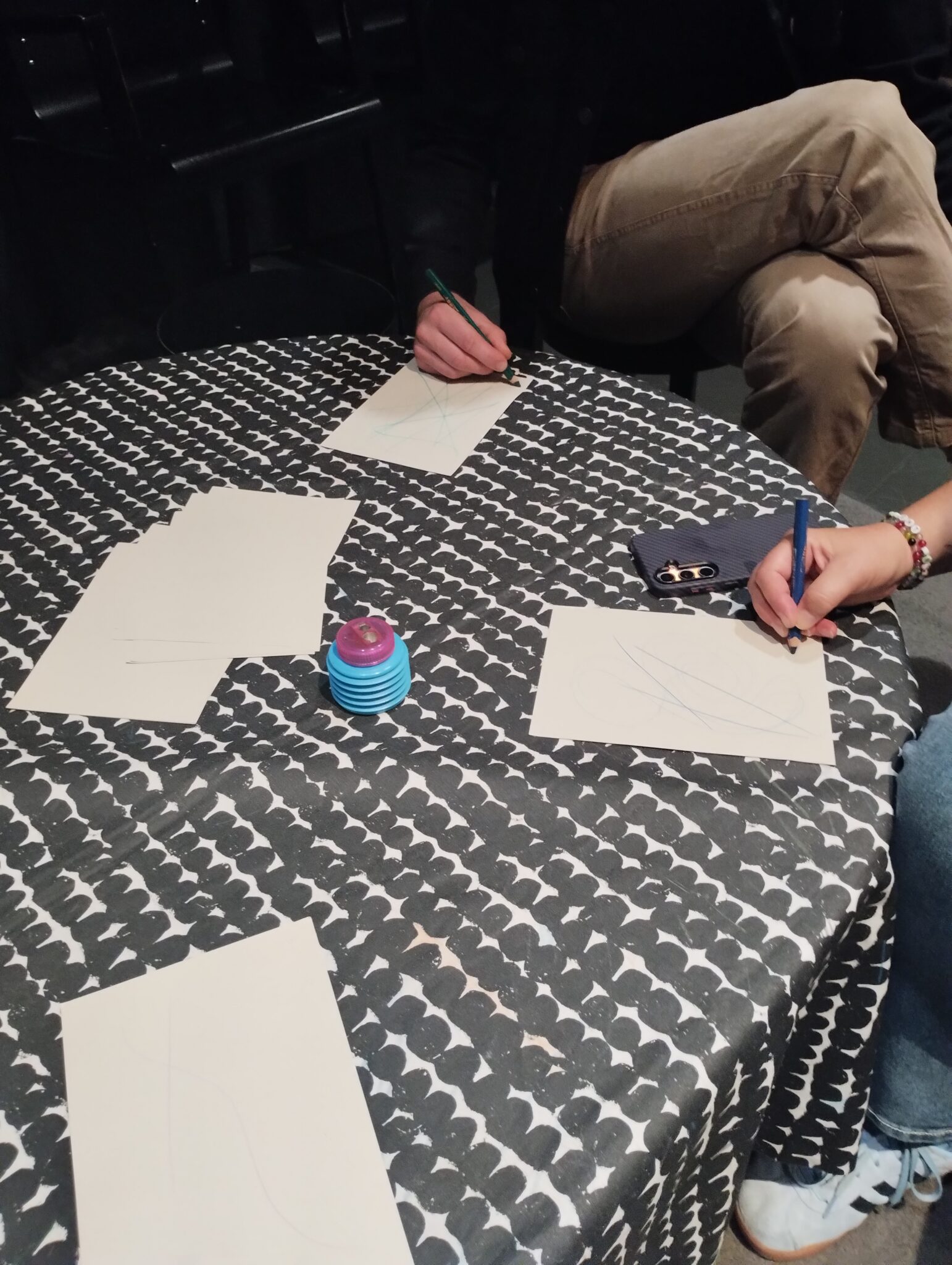
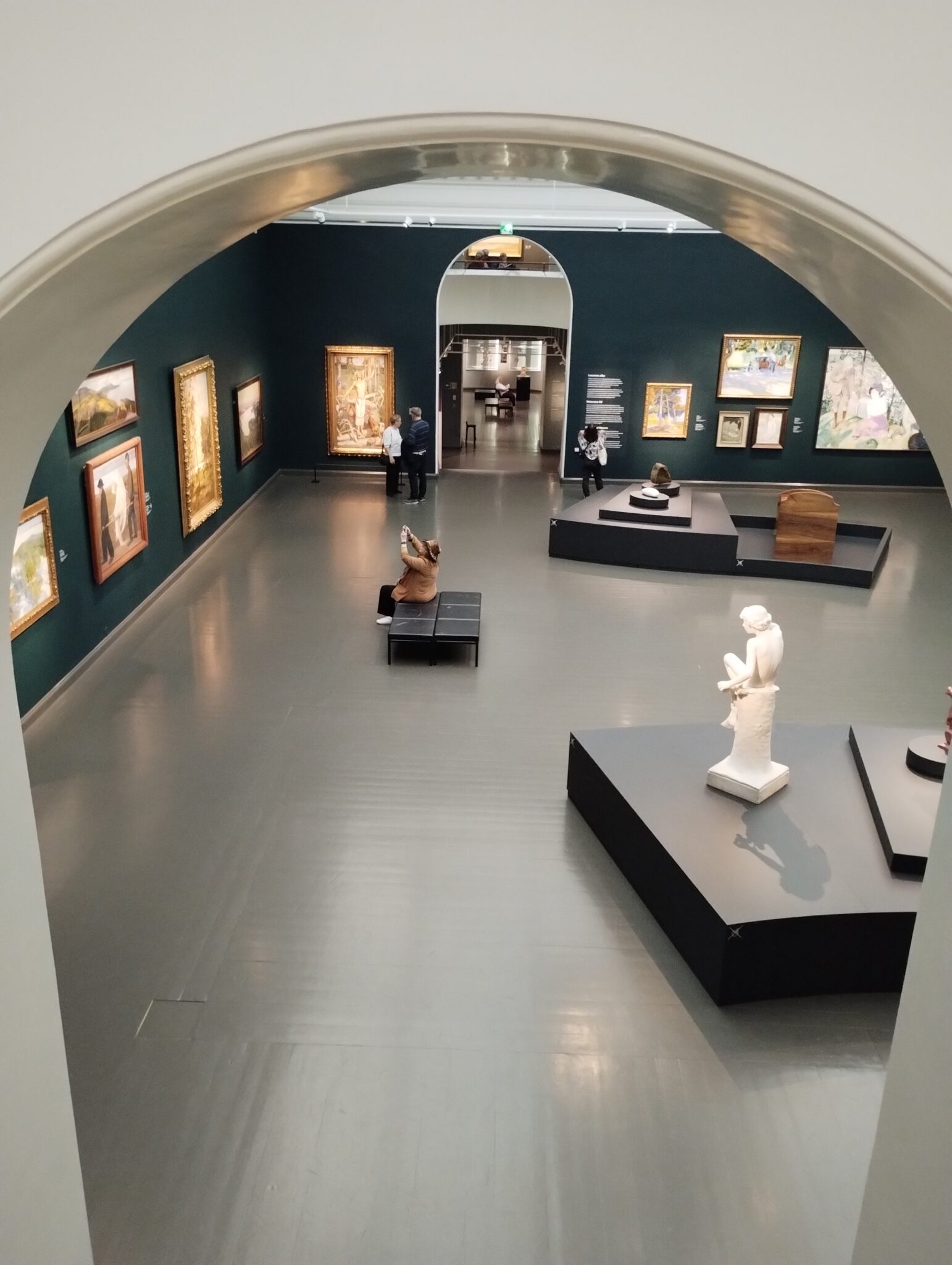
At Ateneum Art Museum we participated in the educational program Art Testers designed for eighth-grade students. We observed an approach based on active participation—on joint observation, drawing, and finding their own interpretations of the exhibited works.
For us, the opportunity to create a space for visitors’ own opinions and experiences was essential. An encounter with art does not have to be based solely on the transfer of information from an expert to the audience. It can also arise through conversation, questions, and personal reactions.
Accessibility as Part of the Gallery's Work
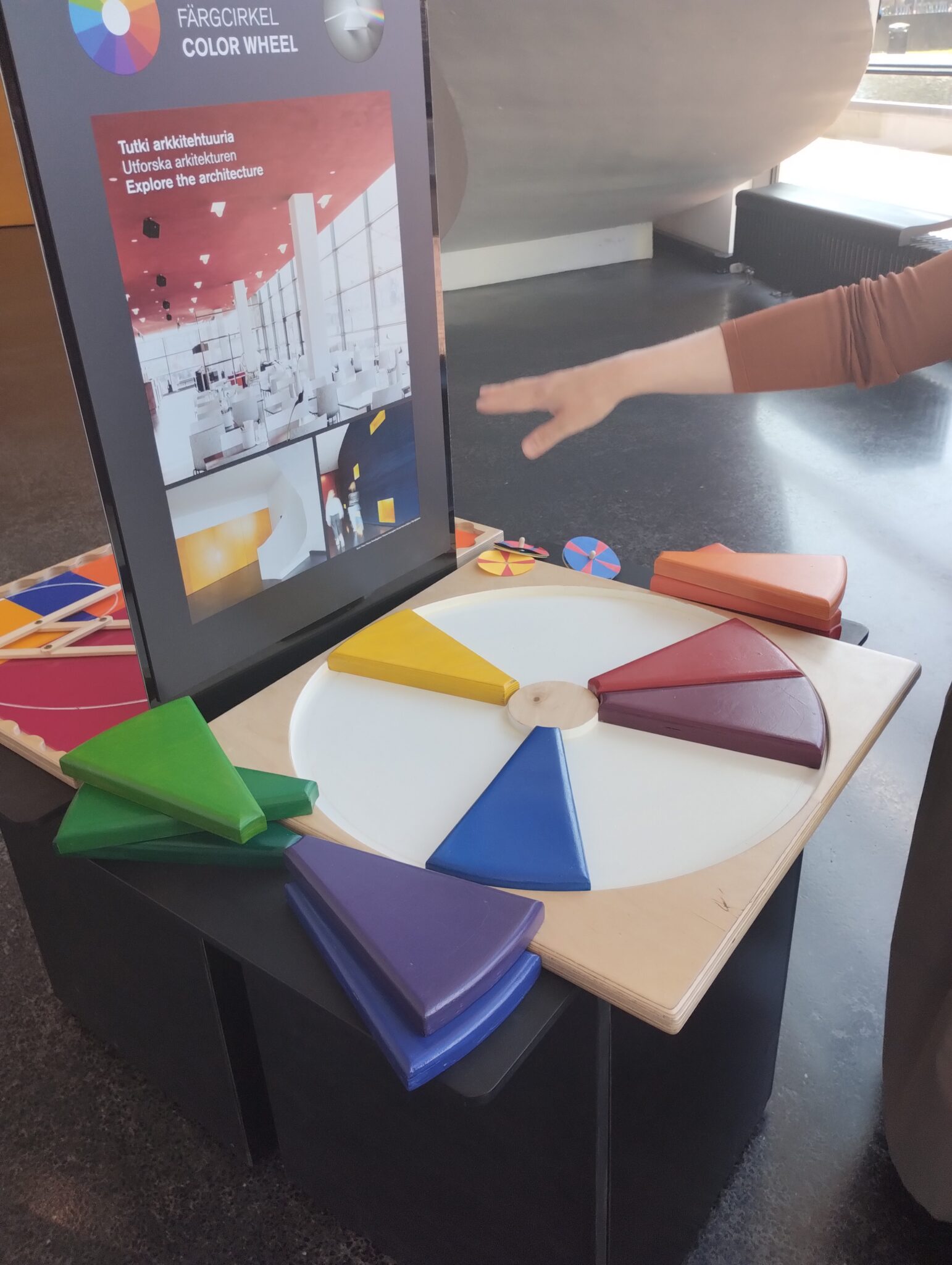
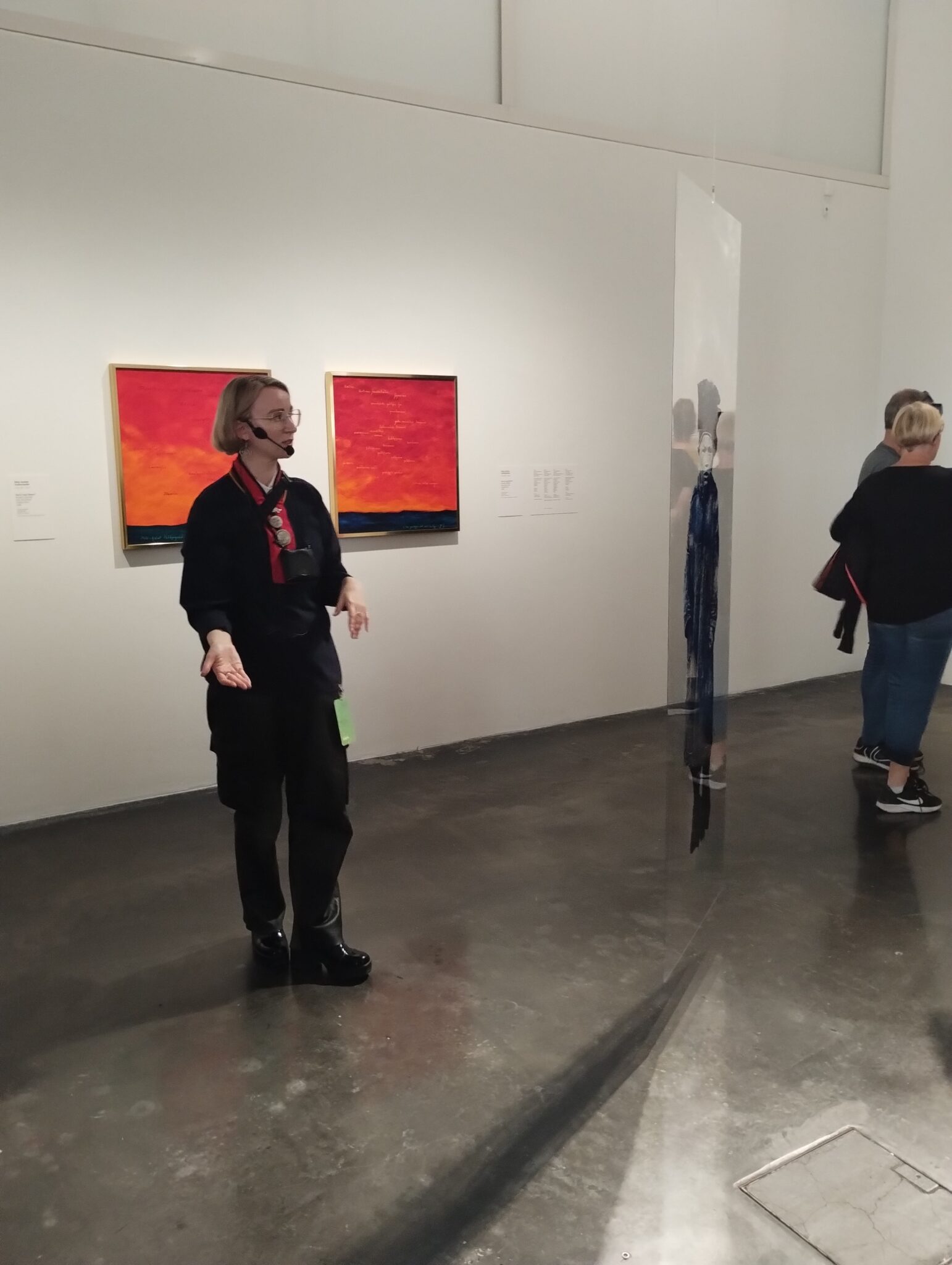
At Kiasma, we took part in an audio-descriptive tour of the exhibition A Dream in Four Colours, during which the guide described the appearance of individual works through her words. In some cases, visitors also had the opportunity to experience the art through touch.
This experience clearly demonstrated that the accessibility of a cultural institution is not limited to barrier-free access to its building. It also concerns how we present art and whether we are able to explore different ways of experiencing it. It is therefore important to consider the similar needs of visitors as early as the planning stage of exhibitions and accompanying programs.
Whose stories are told in the gallery?
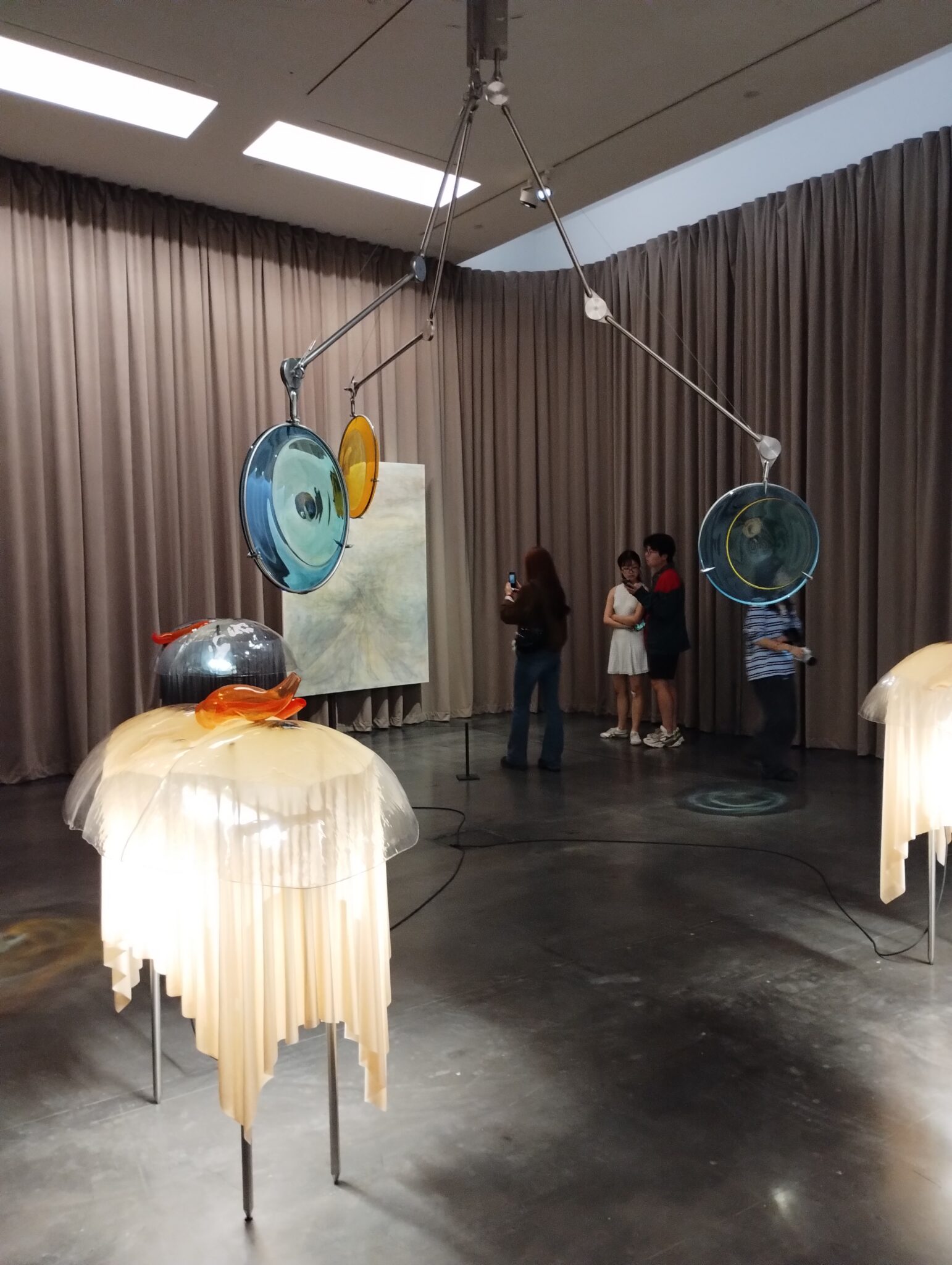
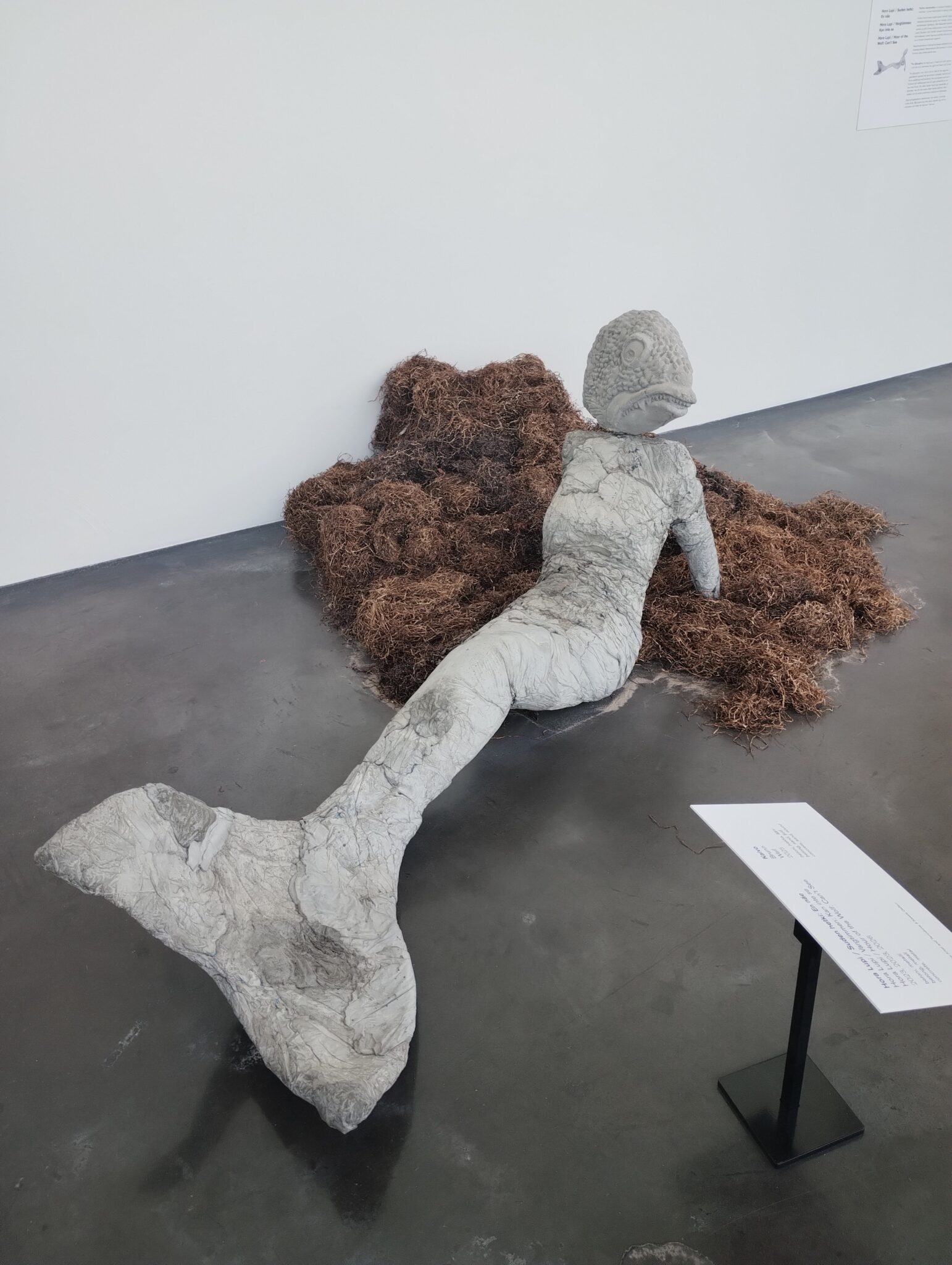
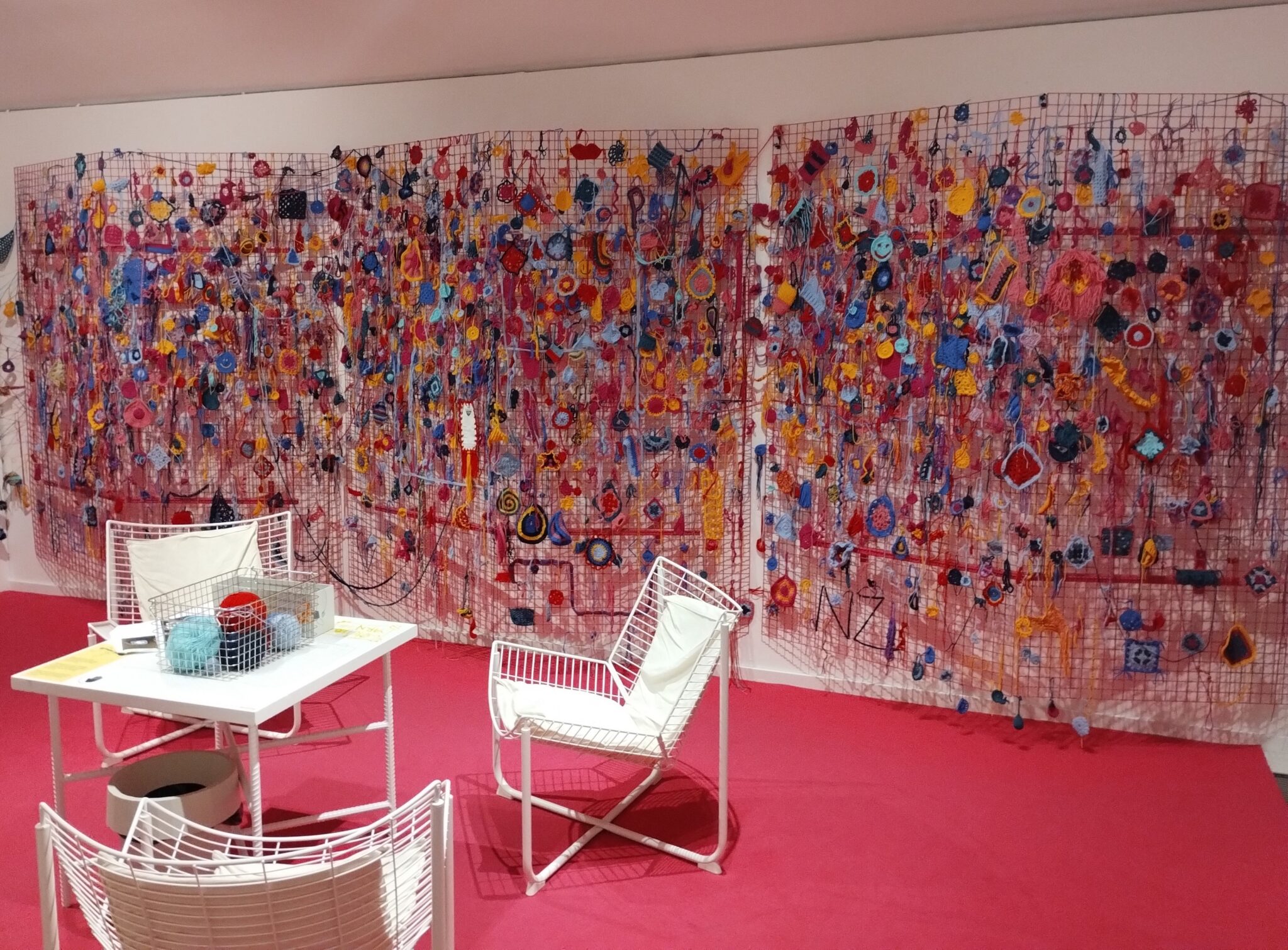
We discovered another aspect of the gallery’s openness through the exhibitions themselves. The exhibition We Who Remain and our meeting with its curator, Petra Laiti. The exhibition brought contemporary art connected to the Sámi experience to the Kiasma space and focused on identity, cultural heritage, and human rights.
She reminded us that the question “Who is the gallery for?” isn’t just about who can visit it and how well they can navigate it. It is equally important to consider whose experiences and perspectives we represent through art, to whom we give space, and what topics we are willing to explore. A gallery can be a place where visitors encounter not only a work of art, but also a life experience that is very different from their own.
The gallery begins even before the exhibition hall
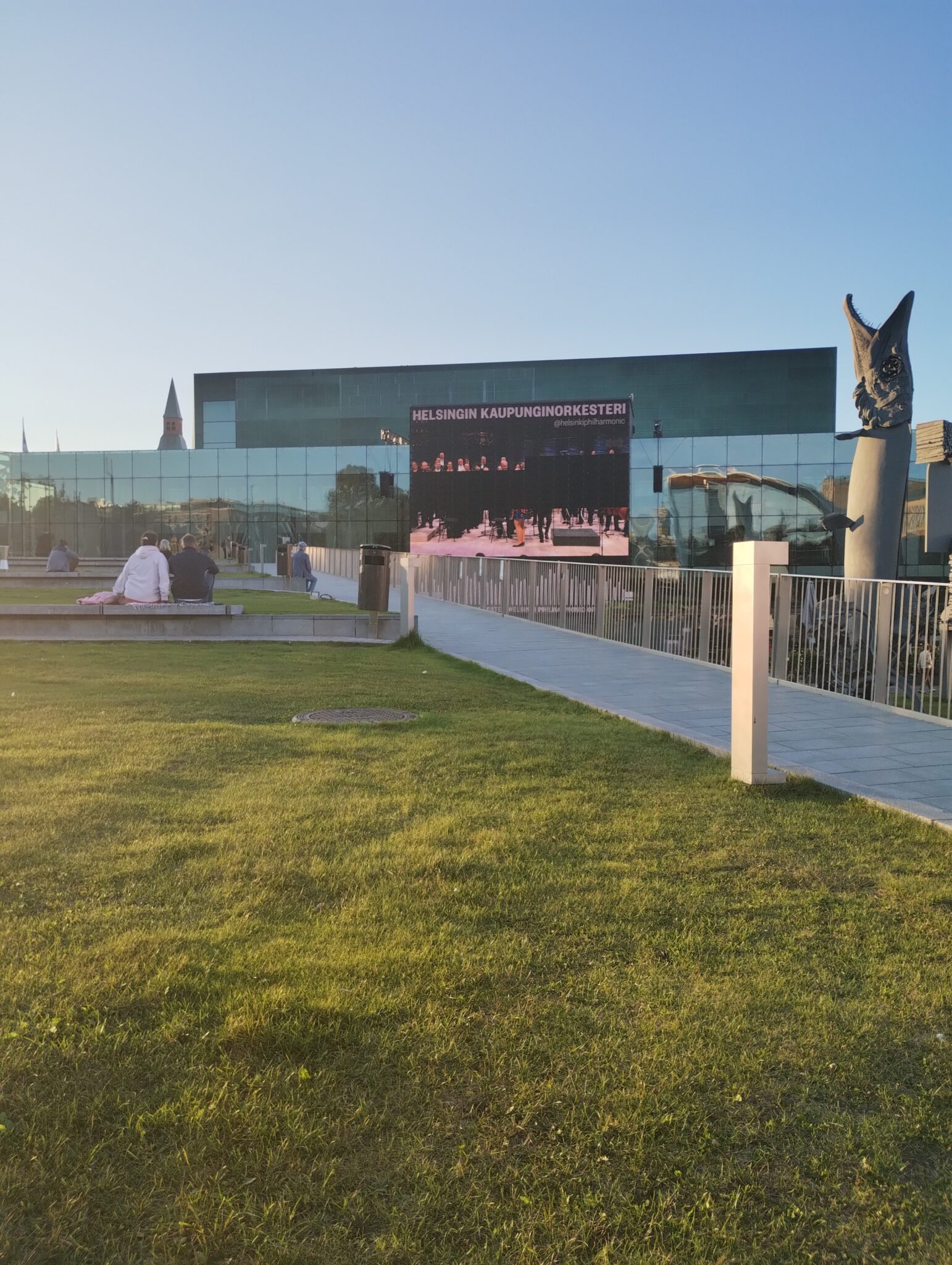
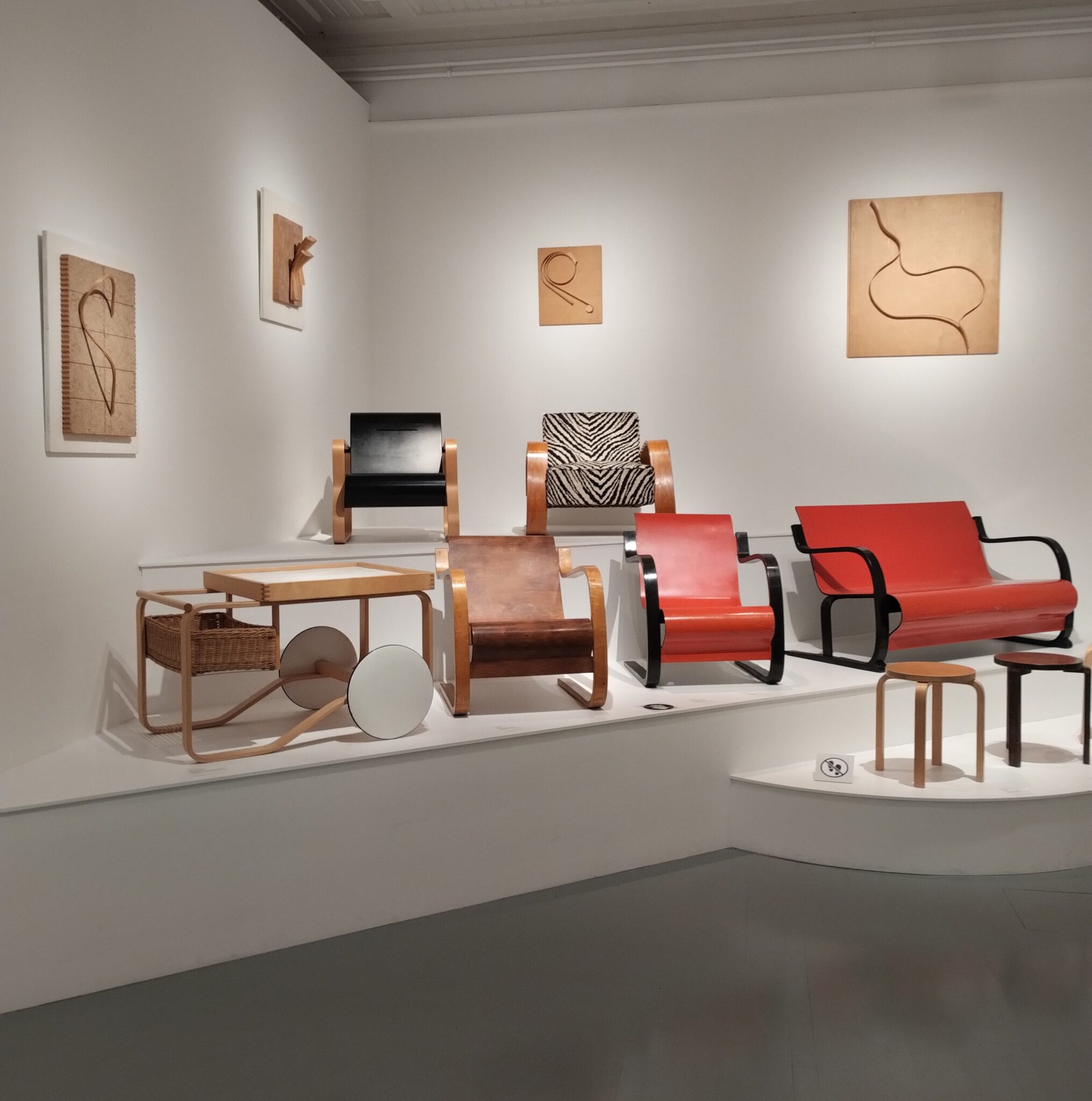
During our stay, we also visited other cultural sites in Helsinki and observed how these institutions approach the overall visitor experience—how people navigate their spaces and whether they offer opportunities to stop, meet others, or simply spend some time there.
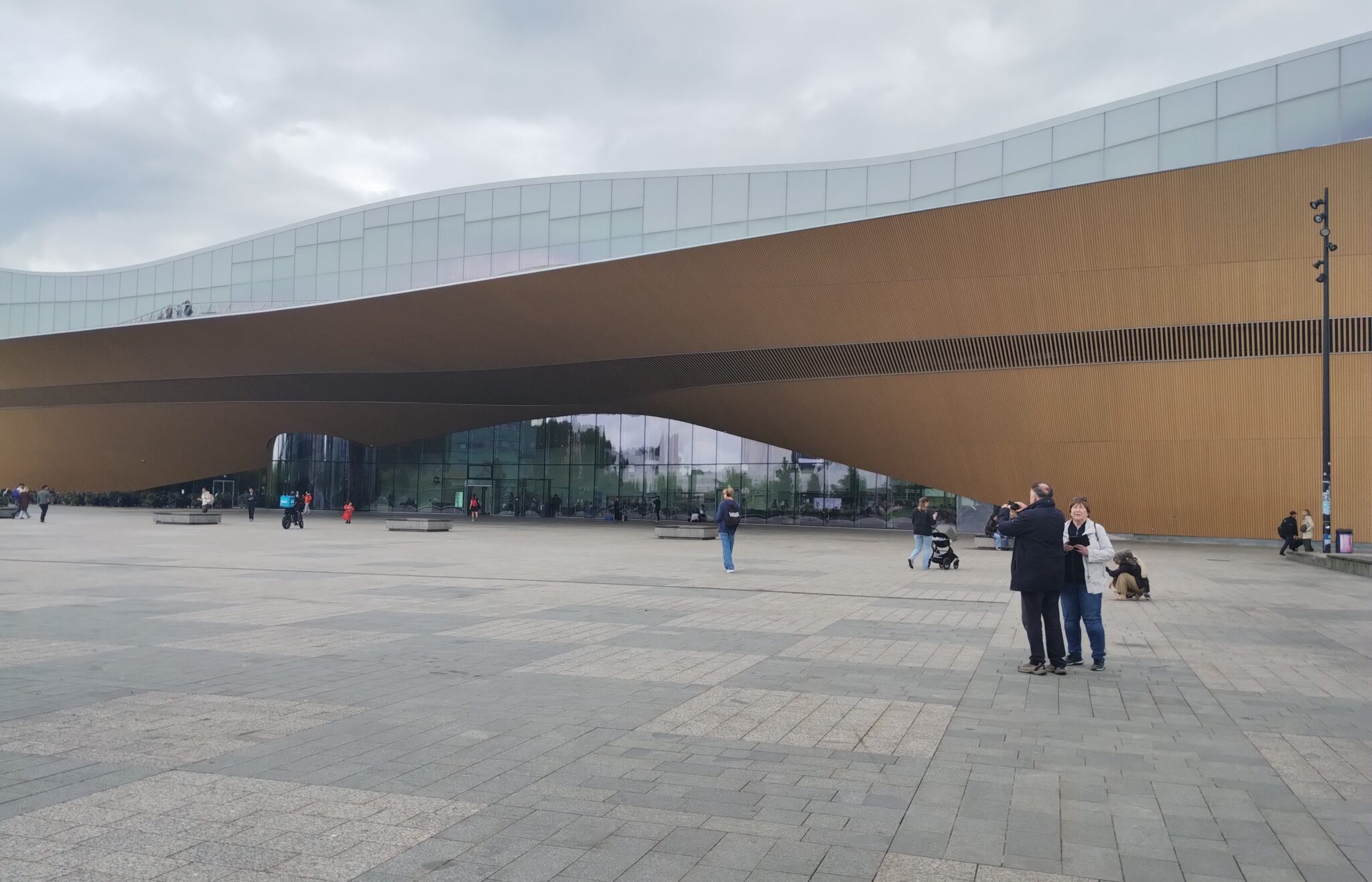
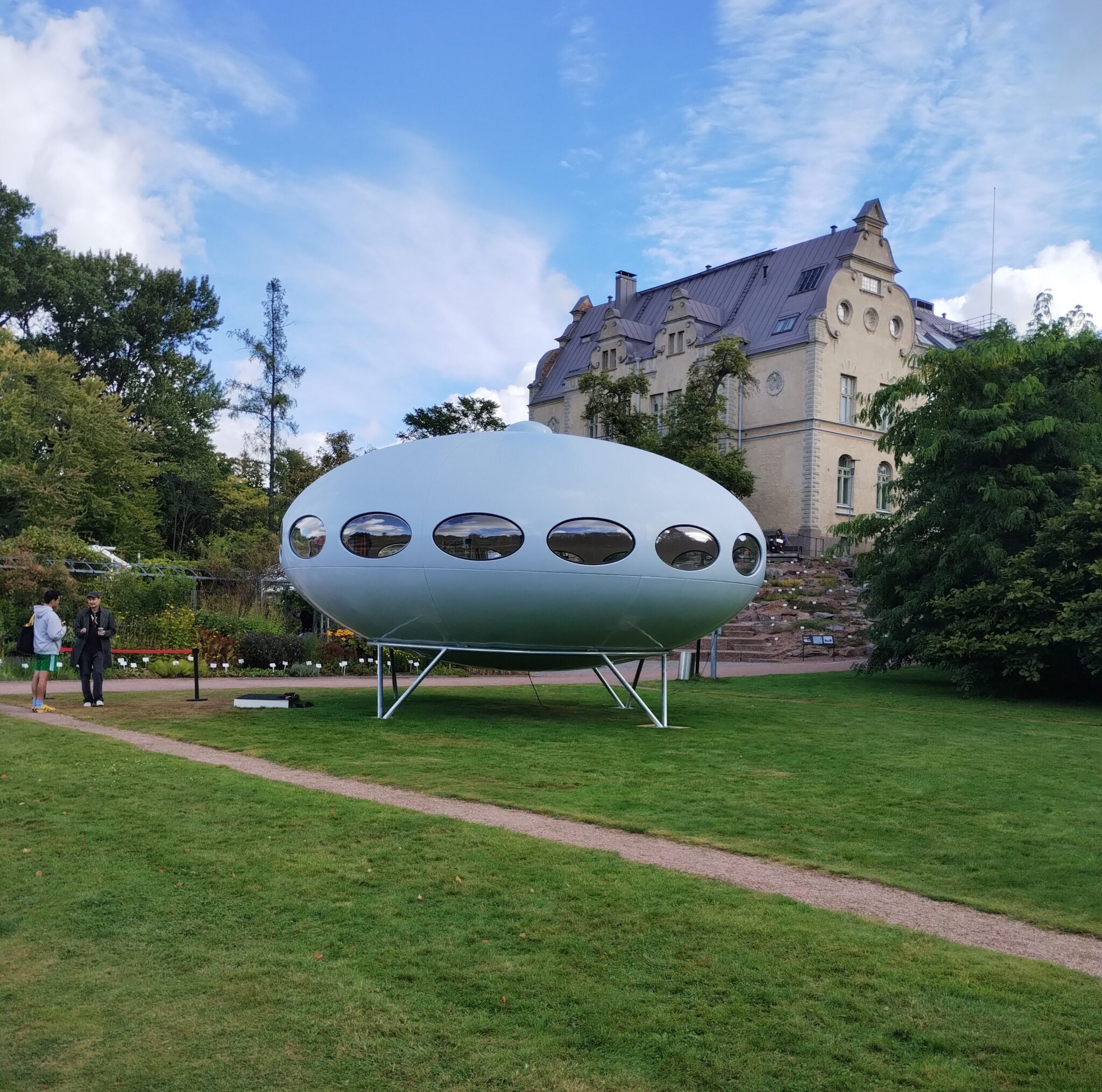
We found the central library Oodi, which functions as a vibrant public space. On the recommendation of our hosts, we also visited Futuro House as part of Helsinki Design Week. These experiences reminded us that a visitor’s relationship with a cultural institution is shaped not only by what they see in the exhibition hall, but also by the environment and services that surround them.
The inspiration we bring back to Litomyšl
Helsinki Mobility did not offer us a single answer to the question of what an open gallery for everyone should look like. However, it did reveal just how many different dimensions this seemingly simple question has—from accessibility and modes of communication, through visitor engagement, to the stories the gallery tells and whose voices it amplifies within its space.
These are precisely the topics we want to consider as we plan the future operations of the Litomyšl City Gallery at the House of the Knights. The experiences from Helsinki are not a blueprint that we can simply adopt. Above all, they serve as an inspiration for us to ask ourselves anew—as we prepare exhibitions, educational programs, and visitor facilities—the question: for whom are we creating our gallery—and what can we do to ensure that a diverse range of people can find a place there?